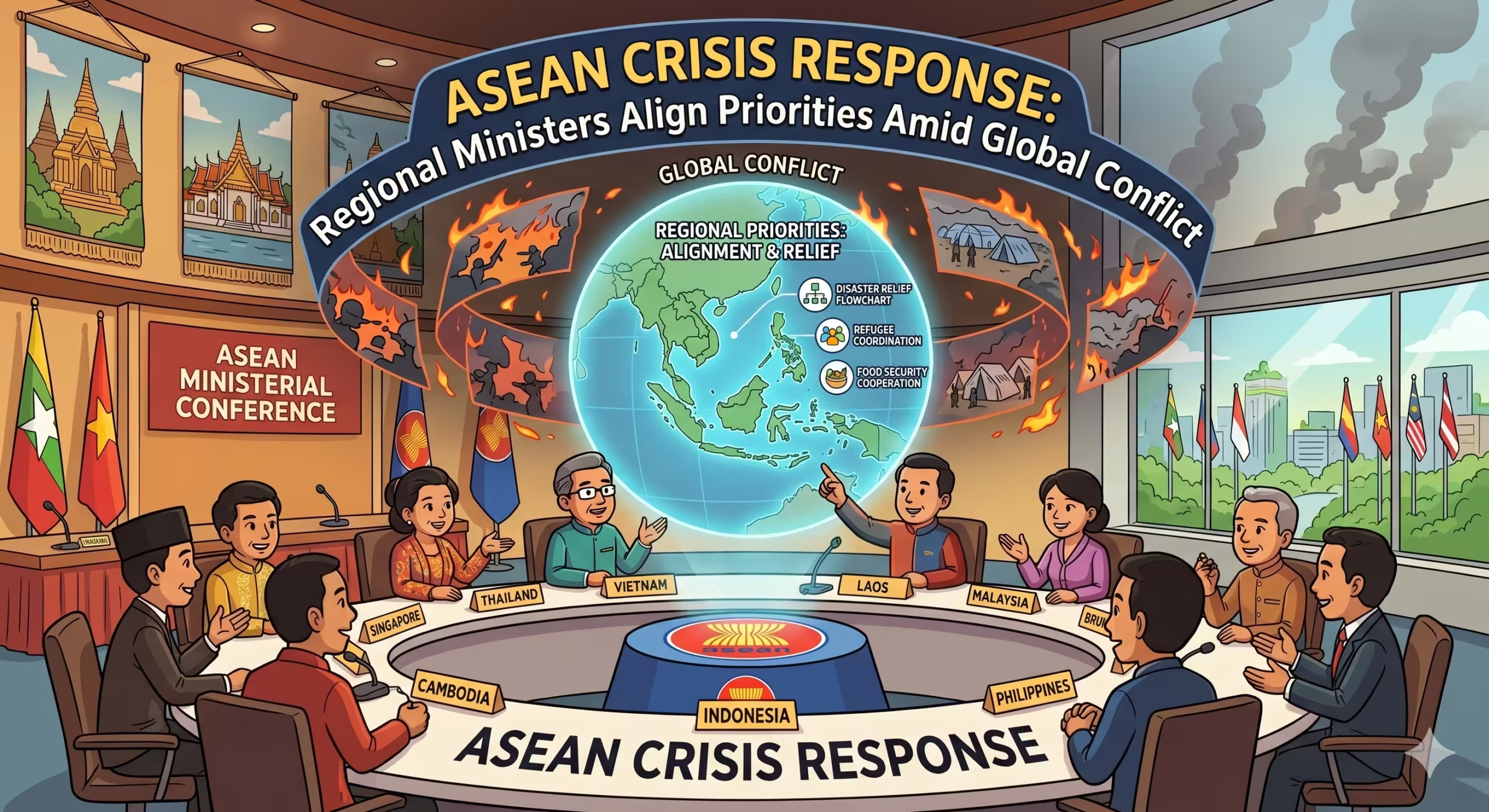
ASEAN crisis response: Regional Ministers Align Priorities Amid Global Conflict
The ASEAN crisis response has become a central focus for Southeast Asian leaders this week. Economic and foreign ministers gathered to align their strategies regarding the Middle East conflict. They aim to protect their citizens working abroad. The ministers also want to ensure regional stability remains intact. This coordination happened during a series of high-level diplomatic meetings. Leaders emphasized the importance of a unified voice on the global stage. They hope to minimize the impact of the war on their nations.
Strengthening the ASEAN Crisis Response
Foreign ministers expressed deep concern over the escalating violence in Gaza. They issued a joint statement calling for an immediate humanitarian truce. Member states emphasized the need for a two-state solution. They also discussed the safety of thousands of Southeast Asian migrant workers. Many of these workers live near conflict zones. A unified approach helps the bloc manage potential evacuations effectively. Every nation agreed that peace is the only way forward. They will continue to share resources and information to protect their people.
Economic Impacts and Supply Chain Security
Economic ministers addressed the risks posed by global instability. The war in the Middle East could disrupt energy markets. This disruption often leads to higher fuel prices across the region. Leaders agreed to strengthen intra-ASEAN trade to mitigate these risks. They want to secure supply chains for food and essential goods. The BIMP-EAGA summit also highlighted the importance of sub-regional connectivity. Cooperation remains the best defense against external economic shocks. Reliable transportation networks will support regional resilience during the crisis. Ministers want to protect the growth of their local economies.
Geopolitical Shifts and Regional Challenges
The conflict complicates relations between ASEAN and global powers. Some nations face a strategic dilemma regarding their foreign policy. The United States and China continue to vie for influence in the region. Recent events have shifted the focus of international diplomacy. Southeast Asian leaders want to maintain their central role in regional affairs. They seek to avoid being caught in larger power struggles. Maintaining neutrality is a key part of their strategy. The bloc intends to keep communication lines open with all major partners. This balance is vital for long-term security.
Member states will continue to monitor the situation closely. They plan to hold further consultations on regional security. The association remains committed to peace and peaceful dialogue. Joint efforts reflect the growing maturity of the organization. They aim to address the humanitarian needs of affected populations. This includes sending aid to civilians in the Middle East. Regional cooperation will strengthen the voice of the association. Leaders will meet again to review their progress next month.