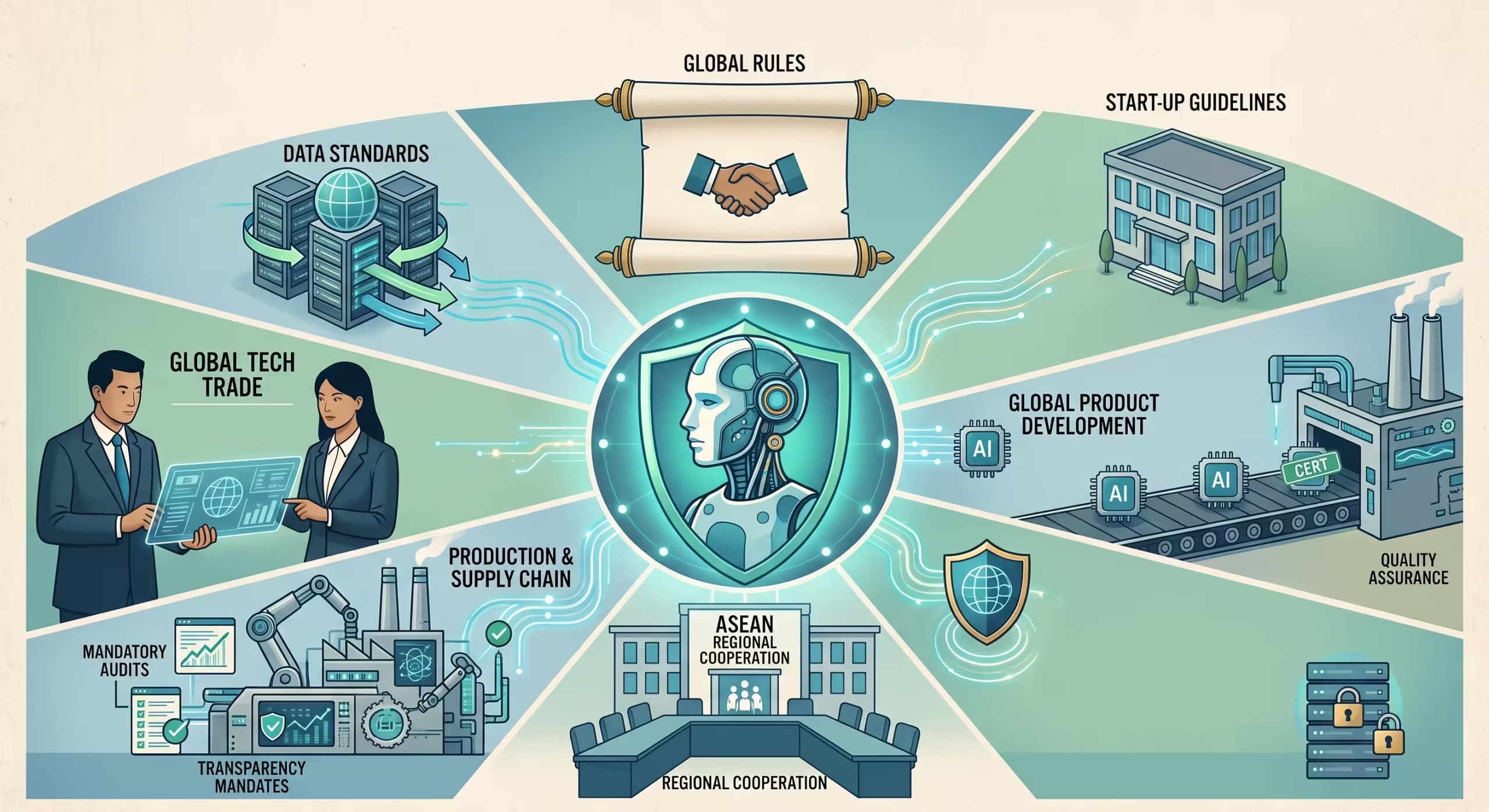
AI Regulation Standards Impact Global Tech Development
Nations are now adopting strict AI regulation to manage emerging digital tools. Lawmakers want to protect citizens from potential software harms. These new rules target high-risk systems specifically. Companies must prove their software is safe before any public launch. Regulators focus on transparency and user safety across all platforms.
Global Shifts in AI Regulation
The European Union recently passed a landmark legal framework for technology. This act classifies different tools based on their specific risk levels. High-risk systems face the most rigorous testing requirements today. Other countries are now following this legislative example quickly. The United States is drafting its own federal safety guidelines. These moves aim to balance public safety with industrial innovation. Legislators believe that uniform rules create long-term market stability. Without these laws, public trust might continue to fall. Trust drives the growth of new digital tools. Nations cooperate to build a shared global framework. Leaders meet at summits to discuss these shared values. They want to prevent a fragmented legal environment.
Requirements for Software Developers
Tech firms must provide clear documentation for their newest models. They must disclose if they used copyrighted material for training. This transparency helps creators protect their unique intellectual property. Engineers are also testing for hidden biases in their code. Fair outcomes remain a primary goal for these new laws. Users deserve to know how systems reach specific decisions. Auditors will check how systems handle sensitive personal data. Data privacy remains a top priority for most governments. Developers must explain how their complex algorithms work. Black-box systems are no longer acceptable in many sectors. This change forces a major shift in coding practices. Safety by design is the new industry standard.
Market Reactions to New Laws
Investors are tracking these legal changes very closely. Some fear that strict rules will limit future growth. Large firms have hired massive legal teams for compliance. Smaller startups face a more difficult path forward. They often lack the budgets of global tech giants. Industry groups are asking for clearer implementation paths. Economic analysts predict a rise in compliance services. A new industry is forming around legal technology. These firms help others navigate complex local rules. Venture capital flows might shift toward compliant companies. Ethical tech is becoming a competitive business advantage. Users often prefer products that respect their privacy.
Looking Toward the Future
Regulatory agencies will soon start full enforcement actions. They will monitor compliance through regular digital audits. Fines for breaking rules can be very high. This pressure forces companies to prioritize ethical design. The global tech landscape is changing rapidly today. Consistency across borders remains a major challenge for everyone.