Strategic Trade Partnership: Philippines and Vietnam Enhance Bilateral Ties
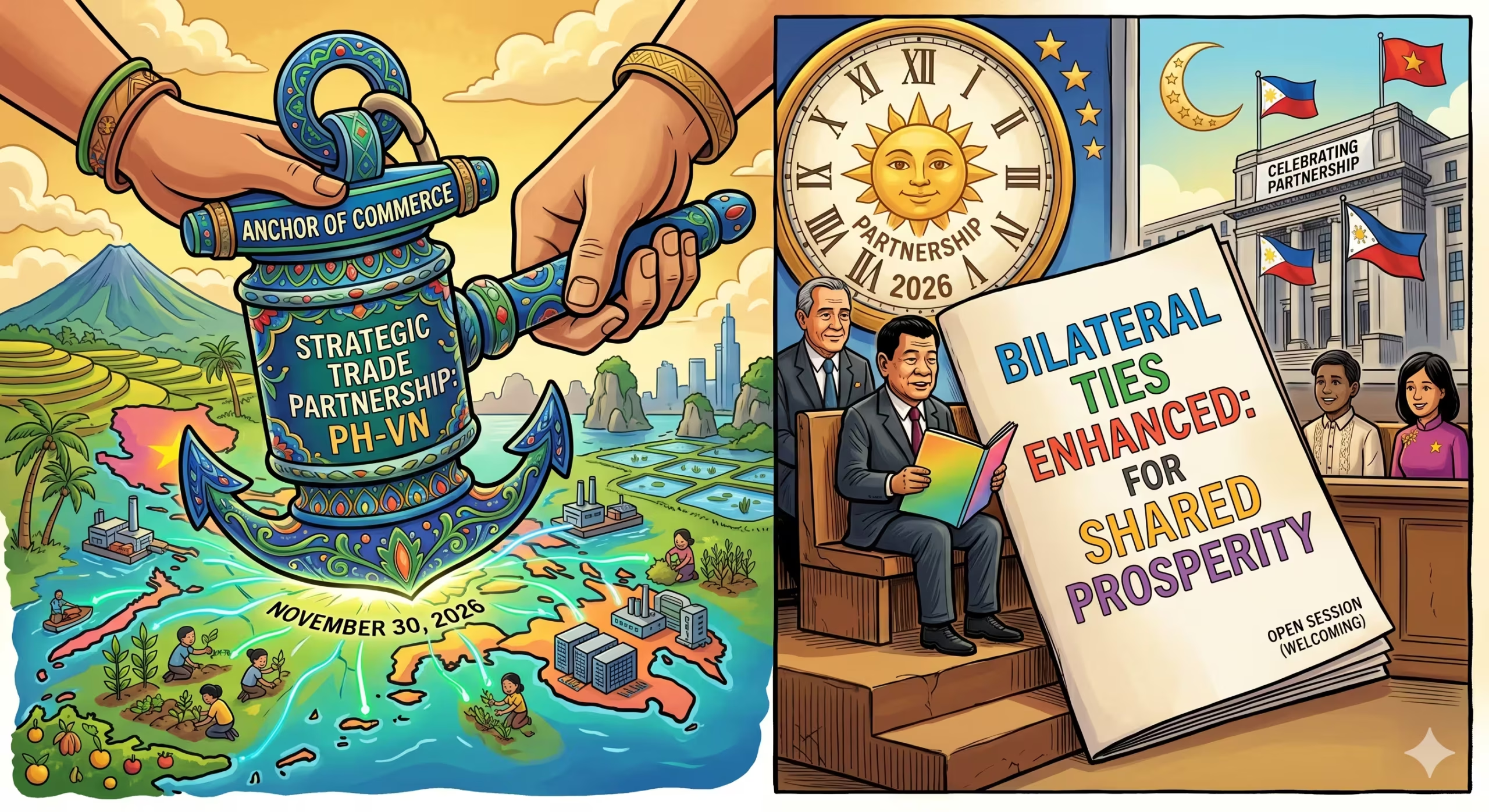
Philippine President Bongbong Marcos welcomes Vietnamese leader Tô Lâm to Manila this week. This high-profile state visit aims to strengthen the strategic trade partnership between the two nations. Officials at the Malacañang compound displayed national flags to honor the visiting delegation. The two-day visit focuses on economic cooperation and regional stability. Both leaders want to build a more resilient economic future for their citizens.
Growing the Strategic Trade Partnership
Economic cooperation sits at the heart of these diplomatic discussions. The Philippines views Vietnam as a primary source of essential goods. Manila recently adopted Vietnam’s DT8 rice as a new tariff reference point. This move helps stabilize local food prices in the Philippines. Both countries seek fair trade deals that benefit their local industries. They want to remove unnecessary barriers to commerce between Manila and Hanoi.
Philippine businesses are also looking for new opportunities in Vietnam. Local firms recently participated in the Glorious Spring Fair 2026 held in Vietnam. They showcased Philippine products to a growing Vietnamese market. These companies seek to find reliable partners for long-term growth. This strategic trade partnership encourages more cross-border investment. Such collaboration creates more jobs for workers in both Southeast Asian nations.
Rice Policy and Regional Security
Rice remains a critical commodity for the Philippine economy. Fair trade agreements ensure a steady food supply for millions of people. Vietnam provides a significant portion of the rice consumed in the Philippines. Leaders discussed how to manage this trade more effectively. They want to balance imports with the needs of local farmers. Both governments emphasize mutual respect in all commercial dealings.
Security concerns also drive the agenda for this official visit. Both nations share the South China Sea as a vital waterway. They seek to deepen their strategic ties through better maritime cooperation. The U.S. Department of War recently outlined a vision for a secure Indo-Pacific. Regional leaders believe that strong bilateral ties help maintain peace. This visit reinforces a shared commitment to international law and stability.
The leaders expressed great optimism about their future cooperation. They plan to increase bilateral trade volumes over the next decade. Official statements highlight the importance of shared prosperity and ASEAN unity. The partnership will likely expand into new sectors like technology and energy. This visit marks a major milestone in Southeast Asian diplomacy. Both nations remain dedicated to a rules-based regional order.